Activities

2nd GLADEL General Meeting

PANLAR 2026
Panama City, Panama – April 28, 2026

2nd GLADEL General Meeting

Building the Future of Lupus Research in Latin America


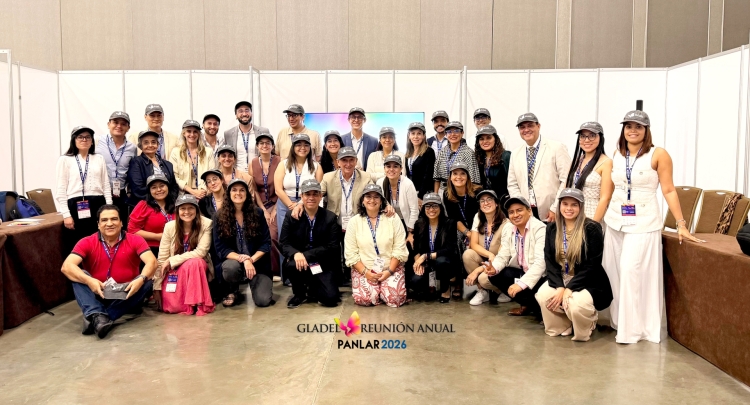
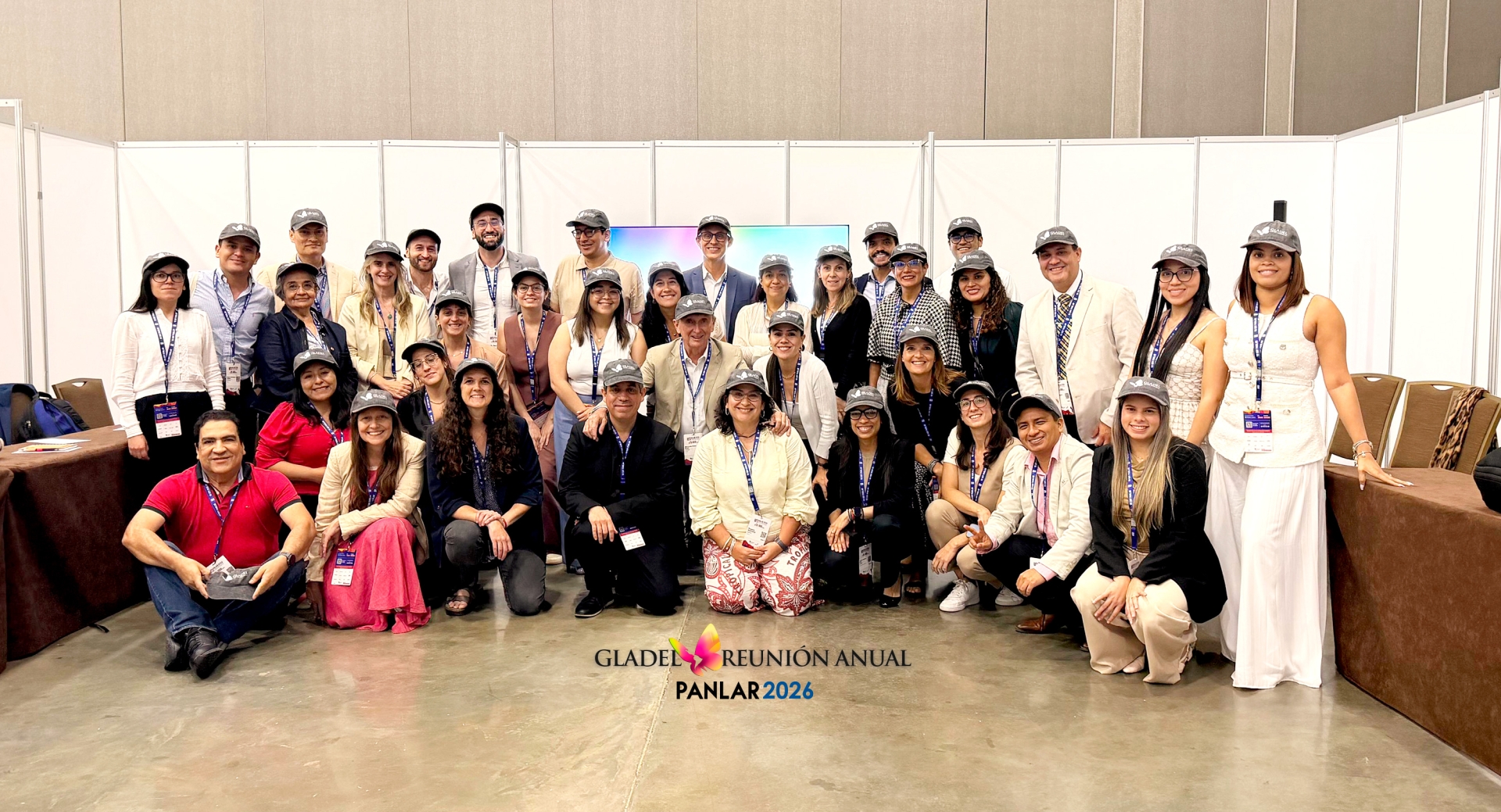
On April 28, during the PANLAR 2026 Congress held in Panama City, GLADEL hosted its 2nd General Meeting in a hybrid format.

The meeting opened with a review of GLADEL's most significant achievements over more than 25 years of work, highlighting:

  • Advancing research on systemic lupus erythematosus (SLE) across Latin America.
  • Producing landmark publications based on multinational cohorts.
  • Generating evidence specifically applicable to Latin American populations.
  • Training and mentoring the next generation of researchers.
  • Supporting educational initiatives throughout the region.


At the heart of these accomplishments is GLADEL's collaborative network. Its mission integrates research and education, bringing together more than 200 investigators across over 60 centers in 16 Latin American countries.


The presentation also included updates on the following topics:


1. Research

The meeting included an update on the GLADEL 2.0 Cohort, highlighting its progress and the extension of patient follow-up to 10 years—a major milestone in advancing the understanding of the long-term course of systemic lupus erythematosus (SLE). Participants also received an update on the ongoing analyses of urinary and serological biomarkers..


2. Publications

From PANLAR 2025 to PANLAR 2026, a total of 48 abstracts were accepted across 6 international congresses.

  • 41 GLADEL abstracts, including 20 original studies developed within the GLADEL network.

  • 7 LupusNET abstracts, including 4 original studies conducted through the collaborative academic network.


At PANLAR 2026, GLADEL achieved a record annual scientific output, with 10 abstracts accepted—a 43% increase compared with PANLAR 2025.


Publications in indexed journals.

A total of 16 scientific manuscripts were managed during the year:

  • 10 manuscripts have been accepted or published.
  • 6 manuscripts are currently in preparation or under review.
  • 1 LupusNET / 1 manuscript accepted.


3. Delays in SLE care in Latin America

Project progress:

  1. Systematic review: Development of interview guides for patients and rheumatologists.
  2. Qualitative phase: Exploration of the concept of delays in medical care from both patient and physician perspectives, including the process of seeking care.
  3. Questionnaire development and validation: Creation and validation of the questionnaire "Delays in Medical Care and Associated Factors in Latin American Patients with SLE."
  4. Delay assessment: Estimation of delays in medical care and identification of associated factors among Latin American patients with SLE.


4. GLADEL-Edu Educational Projects

GLADEL-Edu's educational strategy is organized into three complementary initiatives, each designed for a specific audience: 

  • Let's Talk About Lupus: Designed for patients and their families.
  • Is It Lupus? Designed for primary care physicians and senior medical students, with the goal of shortening the diagnostic gap.
  • Lupus Update: Designed for rheumatologists and other medical specialists.


5. PRO&PUB Program

Pro&Pub is a GLADEL initiative designed to promote research and scientific publication on various aspects of systemic lupus erythematosus (SLE) in Latin America.


Objectives:

  • Encourage the development of research projects within the GLADEL network.
  • Foster studies based on regional data.
  • Provide guidance and support for research project development.
  • Facilitate the publication of research findings.


Results of the First Edition

The program received 16 research proposals from leading universities and hospitals across the region. Following the evaluation process, 11 research projects were selected for participation.


6. Pediatric GLADEL: present and future 

Established in 2025 to address the lack of data on childhood lupus in Latin America, Pediatric GLADEL initially brought together 15 pediatric rheumatologists from six countries. To date, the initiative has already produced two high-impact scientific publications.


Delay in referral, diagnosis, and treatment in pediatric patients with juvenile systemic lupus erythematosus:A systematic review.
Journal of Clinical Rheumatology 2026; 32(1S): S49-S57
DOI: 10.1097/RHU.0000000000002284

Juvenile systemic lupus erythematosus: Challenge for equity in Latin America.
Reumatol Clin (Engl Ed) 2025; 21 (9): 501973
DOI: 10.1016/j.reumae.2025.501973


Ongoing Projects

Psychosocial and Economic Impact of Juvenile Systemic Lupus Erythematosus in Latin America is a multicenter, multinational, cross-sectional study involving more than 400 caregivers of pediatric patients diagnosed with SLE.


Objectives:

  • Assess the psychosocial and economic impact of juvenile SLE on Latin American families.
  • Measure the direct and indirect costs associated with juvenile SLE and its financial burden on patients' families.
  • Identify the social determinants and clinical characteristics that have the greatest influence on the psychosocial and economic impact of juvenile SLE in Latin America.
  • Compare the impact and associated factors across different Latin American countries.


Gladel
2nd GLADEL General Meeting

PANLAR 2026
Panama City, Panama – April 28, 2026

Building the Future of Lupus Research in Latin America


On April 28, during the PANLAR 2026 Congress held in Panama City, GLADEL hosted its 2nd General Meeting in a hybrid format.

The meeting opened with a review of GLADEL's most significant achievements over more than 25 years of work, highlighting:

  • Advancing research on systemic lupus erythematosus (SLE) across Latin America.
  • Producing landmark publications based on multinational cohorts.
  • Generating evidence specifically applicable to Latin American populations.
  • Training and mentoring the next generation of researchers.
  • Supporting educational initiatives throughout the region.


At the heart of these accomplishments is GLADEL's collaborative network. Its mission integrates research and education, bringing together more than 200 investigators across over 60 centers in 16 Latin American countries.


The presentation also included updates on the following topics:


1. Research

The meeting included an update on the GLADEL 2.0 Cohort, highlighting its progress and the extension of patient follow-up to 10 years—a major milestone in advancing the understanding of the long-term course of systemic lupus erythematosus (SLE). Participants also received an update on the ongoing analyses of urinary and serological biomarkers..


2. Publications

From PANLAR 2025 to PANLAR 2026, a total of 48 abstracts were accepted across 6 international congresses.

  • 41 GLADEL abstracts, including 20 original studies developed within the GLADEL network.

  • 7 LupusNET abstracts, including 4 original studies conducted through the collaborative academic network.


At PANLAR 2026, GLADEL achieved a record annual scientific output, with 10 abstracts accepted—a 43% increase compared with PANLAR 2025.


Publications in indexed journals.

A total of 16 scientific manuscripts were managed during the year:

  • 10 manuscripts have been accepted or published.
  • 6 manuscripts are currently in preparation or under review.
  • 1 LupusNET / 1 manuscript accepted.


3. Delays in SLE care in Latin America

Project progress:

  1. Systematic review: Development of interview guides for patients and rheumatologists.
  2. Qualitative phase: Exploration of the concept of delays in medical care from both patient and physician perspectives, including the process of seeking care.
  3. Questionnaire development and validation: Creation and validation of the questionnaire "Delays in Medical Care and Associated Factors in Latin American Patients with SLE."
  4. Delay assessment: Estimation of delays in medical care and identification of associated factors among Latin American patients with SLE.


4. GLADEL-Edu Educational Projects

GLADEL-Edu's educational strategy is organized into three complementary initiatives, each designed for a specific audience: 

  • Let's Talk About Lupus: Designed for patients and their families.
  • Is It Lupus? Designed for primary care physicians and senior medical students, with the goal of shortening the diagnostic gap.
  • Lupus Update: Designed for rheumatologists and other medical specialists.


5. PRO&PUB Program

Pro&Pub is a GLADEL initiative designed to promote research and scientific publication on various aspects of systemic lupus erythematosus (SLE) in Latin America.


Objectives:

  • Encourage the development of research projects within the GLADEL network.
  • Foster studies based on regional data.
  • Provide guidance and support for research project development.
  • Facilitate the publication of research findings.


Results of the First Edition

The program received 16 research proposals from leading universities and hospitals across the region. Following the evaluation process, 11 research projects were selected for participation.


6. Pediatric GLADEL: present and future 

Established in 2025 to address the lack of data on childhood lupus in Latin America, Pediatric GLADEL initially brought together 15 pediatric rheumatologists from six countries. To date, the initiative has already produced two high-impact scientific publications.


Delay in referral, diagnosis, and treatment in pediatric patients with juvenile systemic lupus erythematosus:A systematic review.
Journal of Clinical Rheumatology 2026; 32(1S): S49-S57
DOI: 10.1097/RHU.0000000000002284

Juvenile systemic lupus erythematosus: Challenge for equity in Latin America.
Reumatol Clin (Engl Ed) 2025; 21 (9): 501973
DOI: 10.1016/j.reumae.2025.501973


Ongoing Projects

Psychosocial and Economic Impact of Juvenile Systemic Lupus Erythematosus in Latin America is a multicenter, multinational, cross-sectional study involving more than 400 caregivers of pediatric patients diagnosed with SLE.


Objectives:

  • Assess the psychosocial and economic impact of juvenile SLE on Latin American families.
  • Measure the direct and indirect costs associated with juvenile SLE and its financial burden on patients' families.
  • Identify the social determinants and clinical characteristics that have the greatest influence on the psychosocial and economic impact of juvenile SLE in Latin America.
  • Compare the impact and associated factors across different Latin American countries.


2nd GLADEL General Meeting